Do I Need Back Surgery?— Perth Guide for Disc Herniations

Being told you may need spinal surgery is frightening.
However, most disc injuries do not automatically require an operation.
Many patients are referred for surgical opinion simply because the MRI looks dramatic, not because surgery is inevitable.
In fact, one of the most common misunderstandings in spinal care is this:
An MRI showing a large disc bulge or herniation does NOT by itself mean surgery is required.
This page explains:
• when surgery is necessary
• when it is not
• and how doctors actually make the decision
When Surgery IS Necessary
Spinal surgery is not decided by how much pain you have.
It is decided by neurological function — meaning what the nerve can no longer safely do.
There are specific situations where urgent surgical referral is appropriate.
1. Progressive Muscle Weakness
If a nerve is compressed enough, the muscles it supplies stop working.
Examples:
• foot dropping when walking
• inability to stand on toes
• leg giving way
• progressive loss of strength
This indicates the nerve is losing electrical signal, not just irritated.
Pain can recover.
A failing nerve may not.
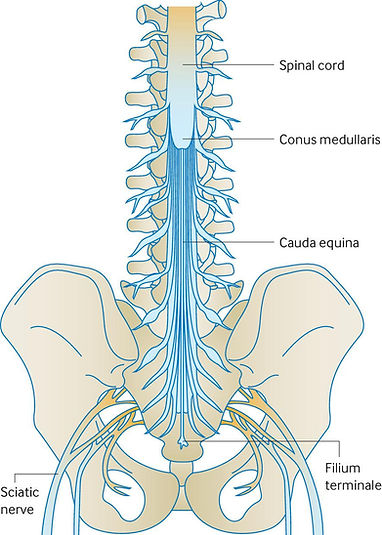
2. Loss of Bowel or Bladder Control
This is a medical emergency.
Symptoms include:
• inability to start urination
• urinary retention
• incontinence
• loss of sensation when wiping
This may indicate Cauda Equina Syndrome and requires immediate hospital assessment.
3. Saddle Numbness
Numbness in the groin, genitals, or inner thighs (the “saddle region”) is another warning sign of severe nerve compression.
This is not typical sciatica.
4. Severe Neurological Deficit
If reflexes disappear and muscle strength significantly deteriorates, surgery may be required to prevent permanent nerve damage.
When Surgery Is Usually Avoidable
This surprises many patients:
Most people considering back surgery actually fall into this category.
Pain-Dominant Sciatica
Severe leg pain alone does not automatically mean surgery is needed.
A disc herniation causes:
• inflammation
• chemical irritation
• pressure sensitivity
Nerves can be extremely painful while still functioning normally.
Pain does not equal permanent damage.
Stable Numbness or Tingling
Pins and needles or numb patches often improve gradually as the disc heals and inflammation settles.
These symptoms commonly recover over months.
Improving Symptoms
This is the single biggest indicator surgery is not required.
If:
• walking tolerance is improving
• flare-ups are less frequent
• medication need is decreasing
Then the body is healing.
Surgery is rarely recommended when recovery has already started.

How Doctors Actually Decide
Doctors do not decide based on the MRI alone.
This is extremely important.
An MRI shows structure.
Surgery decisions are based on function + symptoms + progression.
The decision combines:
1. Neurological Examination
• muscle strength testing
• reflex testing
• sensation changes
2. Symptom Behaviour
• worsening vs improving
• night pain
• walking ability
• response to medication
3. Imaging Correlation
The scan must match the symptoms.
Many people have large disc bulges on MRI that are not the cause of their pain.
This is why different doctors sometimes give completely different opinions from the same scan.
What Most Patients Are Never Told
A large percentage of lumbar disc herniations shrink naturally over time.
The body can:
• reabsorb disc material
• reduce inflammation
• restore nerve function
The role of conservative care is to keep the nerve calm and functional while this occurs.
Why You May Have Been Referred For Surgery
Often a GP or emergency doctor refers for surgical opinion for one reason:
to make sure nothing dangerous is being missed.
A referral does not mean you require surgery.
It means the condition needs proper assessment.
Not Sure Where You Fit?
If you already have a CT or MRI scan, a structured Disc & Nerve Assessment helps determine:
• whether your symptoms are stable
• whether the nerve is at risk
• whether conservative care is appropriate
• or whether surgical referral is advisable
You will be clearly advised if specialist review is necessary.